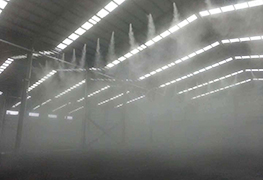
Dust Suppression Fog System
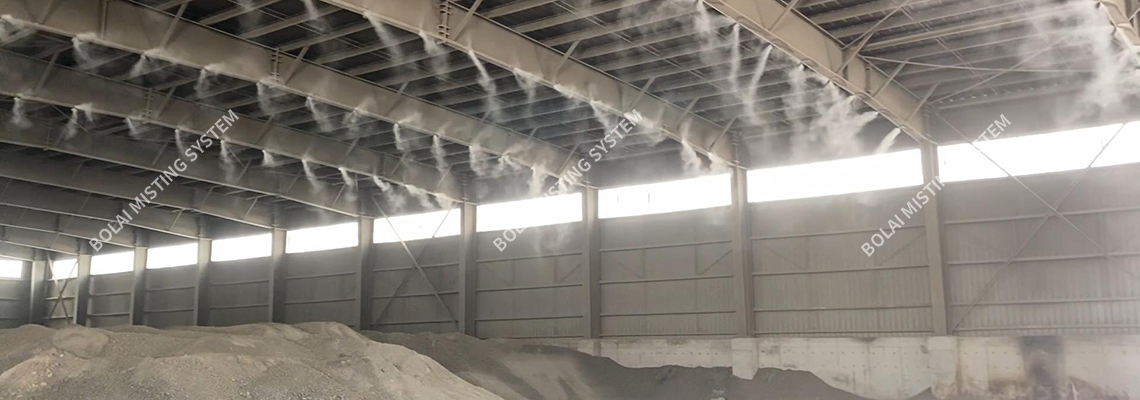
In the world of construction, dust control is a critical aspect of ensuring worker safety, maintaining a clean work environment, and complying with health and safety regulations. The dust suppression fog system has emerged as a revolutionary solution for effectively managing dust during construction activities.
Working Principle of Dust Suppression Fog System
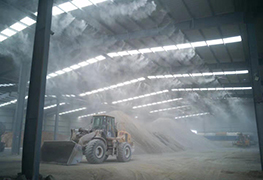
The dust suppression fog system functions primarily through the use of a water mist that is generated using pressurized water. This mist is projected over the work site, forming a fine layer of water that settles over the dusty areas. The water particles effectively bind to the dust particles, rendering them heavier and easier to control with conventional dust collection equipment.
Advantages of Dust Suppression Fog System
01
Effective Dust Control: The dust suppression fog system effectively binds dust particles with water, reducing their suspension in the air and enabling effective collection using conventional dust control equipment.
02
Improved Worker Safety: By reducing dust levels, the system improves worker comfort and visibility, reducing the risk of respiratory irritation and other health hazards.
03
Compliance with Regulations: The system helps construction sites comply with health and safety regulations by controlling dust emissions.
04
Reduced Clean-up Time: The water-bound dust particles are easier to clean up, reducing clean-up time and associated costs.
05
Flexibility: The dust suppression fog system can be easily integrated into existing dust collection systems or used as a stand-alone solution.
Future Developments in Dust Suppression Fog Technology
As technology continues to advance, dust suppression fog systems are expected to become more advanced and efficient. Future systems may utilize advanced sensors and analytics to optimize water usage, improve dust control efficiency, and reduce operational costs. In addition, research is ongoing to develop more sustainable systems that minimize water usage and environmental impact.
In conclusion, the dust suppression fog system has revolutionized dust control in various industries, particularly in construction sites. Its advantages in terms of worker safety, regulatory compliance, and cost-effectiveness have made it a preferred choice for managing dust emissions effectively. As technology continues to evolve, the dust suppression fog system is expected to play a pivotal role in enhancing dust control practices across various industries.